
Starting preschooler is a big milestone — both for children and parents. While it’s a time filled with excitement and new experiences, it can also bring tears, hesitation, and worry. Many children face separation anxiety when they first begin preschool, and that’s perfectly normal. The good news? With patience, understanding, and gentle strategies, parents and teachers can help ease the transition and make preschool a happy place to learn and grow.
For most toddlers and preschoolers, parents are their world — the source of safety, comfort, and love. Being suddenly apart from them, even for a few hours, can feel overwhelming. Preschool introduces a new environment, new faces, and unfamiliar routines. This can trigger emotions of fear and uncertainty, which children may express through crying, clinging, or tantrums.
Separation anxiety is not a sign of weakness or misbehavior; it’s a healthy emotional response that shows your child is forming secure attachments.
1. Start with Short Goodbyes
Before preschool begins, practice short separations at home — like leaving your child with a relative or friend for a short time. This builds trust that you’ll always return.
2. Create a Goodbye Routine
A simple ritual — a special hug, a kiss on the hand, or a cheerful “See you soon!” — gives children reassurance and predictability. Keep it short and consistent to prevent prolonged goodbyes.
3. Stay Calm and Positive
Children pick up on emotions easily. If you appear nervous or sad, they might feel unsafe. Smile, use a confident tone, and show enthusiasm about school.
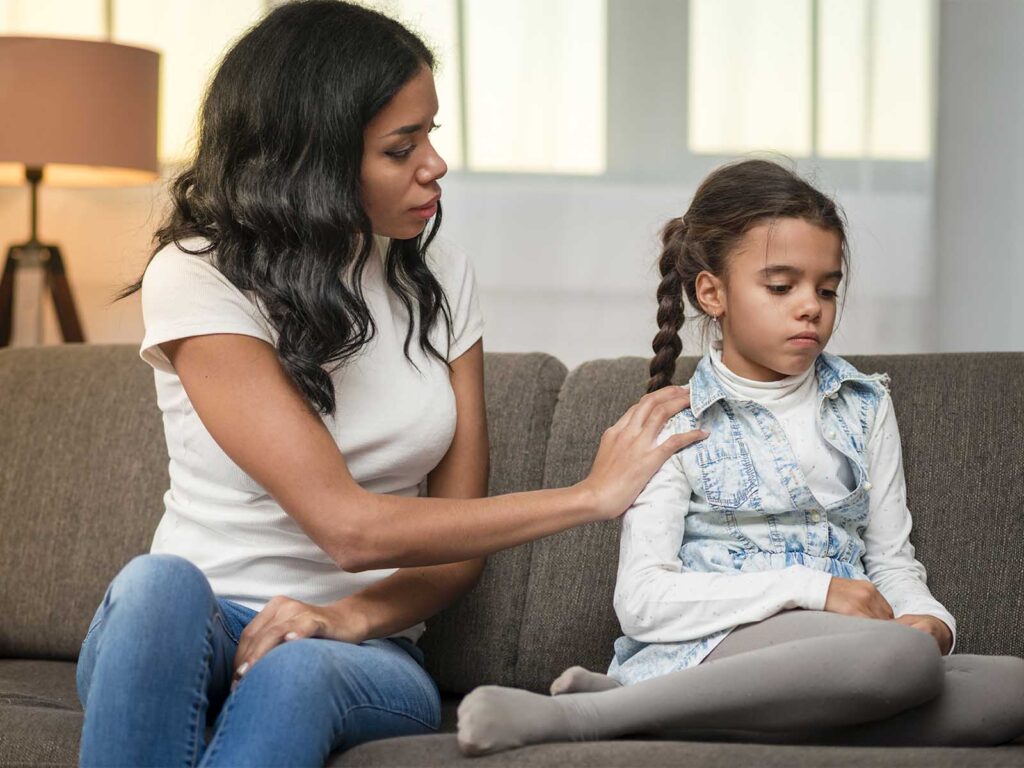
4. Bring Comfort from Home
A familiar toy, small photo, or blanket can act as a security anchor during the first few days.
5. Communicate with Teachers
Preschool educators are trained to handle separation anxiety. Share your child’s likes, routines, and comfort methods — it helps them provide personalized support.
6. Praise Every Little Step
Celebrate small victories, like entering the classroom without tears or saying goodbye bravely. Positive reinforcement builds confidence.
Letting go can be just as hard for parents. Remember — your calm presence helps your child feel secure. Stay patient; adjustment takes time. Most children adapt within a few weeks once they discover the fun, friends, and learning that preschool offers.
Separation anxiety is a natural part of early childhood development. With love, patience, and cooperation between home and school, children soon learn that goodbyes are temporary — and each hello at pickup time brings joy and pride. Preschool isn’t just a place to learn ABCs and colors; it’s where confidence, independence, and lifelong curiosity begin.